
Minimally Invasive Gynecological Surgery: Complete Guide for Patients and Professionals
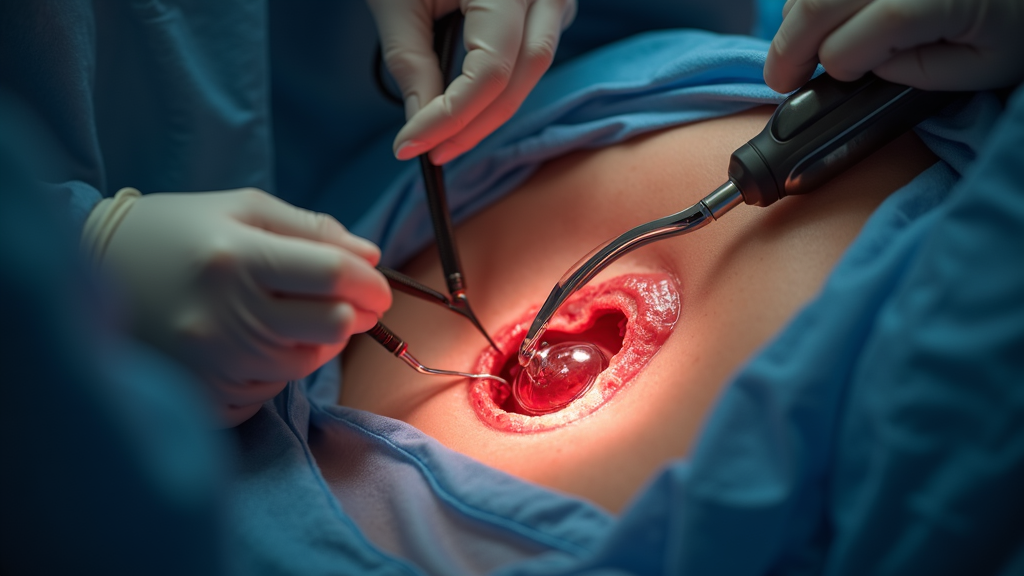
Minimally invasive gynecological surgery has revolutionized the treatment of multiple diseases of the female reproductive system, offering a less aggressive alternative to traditional open surgery. In this article, Dr. Francisco Sosa explains clearly and precisely what this technique is, its indications, advantages, risks and what recovery is like, so that patients and professionals can understand its importance in current clinical practice.
What is minimally invasive gynecological surgery?
This type of surgery is characterized by accessing the gynecological organs through small incisions or even without abdominal incisions, using advanced technology that allows complex procedures to be performed with less trauma for the patient. The main techniques include:
- Laparoscopy: Small incisions are made in the abdomen to insert a camera and specialized surgical tools.
- Hysteroscopy: access to the uterine cavity through the vagina and cervix, without the need for incisions.
- Vaginal surgery: It is accessed directly through the vagina, ideal for certain prolapses and hysterectomies.
- Robotic surgery: an advanced form of laparoscopy that improves precision and maneuverability in complex cases.
The goal is to achieve the same therapeutic result as open surgery, but with less pain, less blood loss, small or non-existent scars and a faster recovery.
What is it used for?
Minimally invasive surgery in gynecology is used to diagnose and treat a wide variety of pathologies, both benign and malignant.
Frequent indications in benign diseases:
- Endometriosis
- Uterine fibroids
- Ovarian cysts
- Adenomyosis
- Chronic pelvic pain
- Abnormal uterine bleeding
- Endometrial polyps
- Pelvic adhesions
- Pelvic organ prolapse
- Ectopic pregnancy in selected cases
Oncological indications:
- Endometrial cancer
- Cervical cancer
- Some selected cases of ovarian cancer
- Staging procedures and biopsies
Common procedures:
- Hysterectomy
- Myomectomy
- Oophorectomy or ovarian cystectomy
- Endometriosis ablation or treatment
- tubal ligation
- Salpingectomy
- Polyp resection
- Prolapse correction
Symptoms that may motivate evaluation for minimally invasive surgery
Minimally invasive surgery is not a diagnosis, but a therapeutic route. Symptoms that usually lead to consultation and evaluation include:
- Persistent or severe pelvic pain
- Heavy or prolonged menstrual bleeding
- Bleeding between menstruations or postmenopausal
- Pain during sexual intercourse
- Abdominal distension or pressure
- severe dysmenorrhea
- Infertility
- Palpable abdominal or pelvic mass
- Urinary or intestinal symptoms due to compression
- Fever and acute pain in cases of complications such as ruptured ectopic pregnancy
Clinical advantages of minimally invasive surgery
Various studies and clinical guidelines agree that, when indicated and performed by expert teams, minimally invasive surgery offers multiple benefits compared to open surgery:
- Less postoperative pain
- Faster recovery and earlier return to normal activities
- Shorter hospital stay
- Less blood loss
- Lower risk of infections
- Small or non-existent scars
- Less formation of adhesions
- In some cases, better fertility preservation
Risks and limitations
Although less aggressive, minimally invasive surgery is still major surgery and can present complications:
- Intra or postoperative bleeding
- Infection
- Injuries to neighboring organs such as the bladder, ureter or intestine
- Need for conversion to open surgery if technical difficulties arise
- Deep vein thrombosis or pulmonary embolism
- Anesthetic complications
- Persistent pain or disease recurrence
Furthermore, not all patients are candidates. The choice depends on the size and location of the pathology, previous surgeries, suspected oncology, general condition and experience of the surgical team.
Diagnosis prior to surgery
To indicate minimally invasive surgery, a complete evaluation is essential that includes:
- Detailed medical history
- Gynecological examination
- Transvaginal ultrasound
- MRI in selected cases
- Blood analysis and tumor markers if there is suspicion of oncology
- Diagnostic hysteroscopy
- Diagnostic laparoscopy in complex cases
The objective is to confirm the diagnosis, define the extension, evaluate the candidacy for minimal invasion and plan fertility preservation.
Treatments according to pathology
Endometriosis
- Medical treatment with contraceptives, progestogens or GnRH analogues
- Laparoscopic surgery to remove implants, release adhesions and resect endometriomas
Uterine fibroids
- Initial medical management to control bleeding and anemia
- Laparoscopic or robotic myomectomy
- Hysteroscopy for submucosal fibroids
- Minimally invasive hysterectomy if indicated
Ovarian cysts
- Note if they are small and simple
- Laparoscopic surgery if they persist, grow or there is suspicion of malignancy
Abnormal uterine bleeding
- Medical treatment according to cause
- Hysteroscopy for submucosal polyps or fibroids
- Endometrial ablation or hysterectomy in refractory cases
Pelvic organ prolapse
- Pelvic floor rehabilitation and pessaries
- Vaginal or laparoscopic surgery in advanced cases
Gynecological cancer
- Minimally invasive surgery in selected cases according to type and stage
Postoperative recovery
Recovery varies depending on the technique:
- Laparoscopy: mild to moderate pain, discharge in 24 hours or less, return in days or weeks
- Hysteroscopy: very rapid recovery, with possible mild cramping or light bleeding
- Vaginal surgery: less abdominal pain, early discharge, rapid functional recovery
Warning signs such as fever, heavy bleeding, severe pain, persistent nausea, wound infection, or difficulty urinating or defecating should be monitored.
Final message
Minimally invasive gynecological surgery is a fundamental tool in modern gynecology. It allows a wide variety of diseases to be treated with less aggression, improving the patient's experience and recovery. The indication must be individualized and carried out by experienced teams to maximize benefits and minimize risks.
For any questions or queries about minimally invasive surgery, do not hesitate to go to a specialist in gynecology and obstetrics.
Short text for blog:
Minimally invasive gynecological surgery uses techniques such as laparoscopy, hysteroscopy, vaginal surgery and robotics to treat diseases such as endometriosis, fibroids, ovarian cysts and some cancers. Its main advantages are less pain, less bleeding, small scars and quick recovery. Evaluation by an expert gynecologist is key to determining the best therapeutic option.